Introduction
Fuel Monitoring in Afghanistan is becoming essential for businesses that want to reduce fleet operating costs and improve efficiency. Whether you manage trucks, buses, taxis, construction vehicles, or government fleets, modern GPS fleet management helps monitor fuel consumption, prevent fuel theft, and optimize daily operations.
Traditionally, many businesses relied on handwritten fuel logs, driver reports, and manual calculations to monitor fuel usage. However, these methods often provide incomplete or inaccurate information, making it difficult to identify unnecessary fuel consumption, unauthorized trips, excessive engine idling, or possible fuel theft. Consequently, organizations lose money without fully understanding where the losses occur.
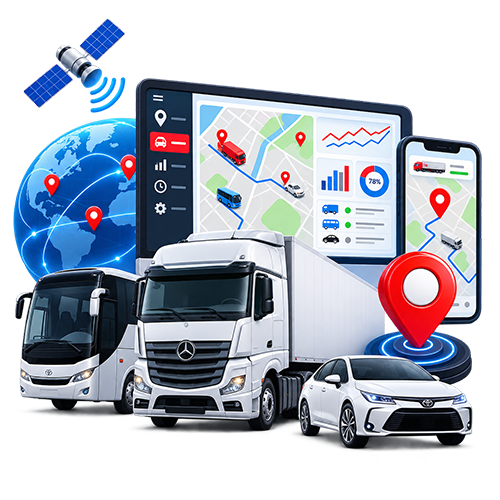
Modern GPS fleet management has transformed the way businesses monitor fuel consumption. Instead of relying on assumptions, managers can access real-time information through a centralized dashboard. They can monitor vehicle locations, analyze fuel usage, review driver behavior, optimize routes, and generate professional reports from a single platform. As a result, businesses gain complete visibility over their fleet while significantly reducing operating costs.
For organizations operating across Afghanistan, fuel management presents unique challenges. Vehicles frequently travel between Kabul, Kandahar, Herat, Mazar-e-Sharif, Jalalabad, Kunduz, and remote districts where direct supervision is almost impossible. Fortunately, GPS technology provides continuous monitoring regardless of location. Fleet managers always know where vehicles are operating, how fuel is being consumed, and whether company resources are being used efficiently.
Moreover, fuel monitoring provides benefits far beyond cost savings. It improves driver accountability, strengthens vehicle security, supports preventive maintenance, increases operational transparency, and enhances customer satisfaction. Businesses that understand their fuel consumption can make better financial decisions while improving long-term fleet performance.
This comprehensive guide explains everything you need to know about Fuel Monitoring in Afghanistan. Throughout this article, you will learn how modern GPS technology reduces fuel costs, prevents fuel theft, improves driver performance, and helps organizations build more efficient transportation operations.

What Is Fuel Monitoring in Afghanistan?
Fuel monitoring is the process of measuring, recording, analyzing, and managing the fuel consumption of vehicles using GPS tracking technology, intelligent software, and electronic fuel sensors. Rather than estimating how much fuel a vehicle uses, fuel monitoring provides accurate data that helps organizations understand exactly where every liter of fuel is consumed.
Modern fuel monitoring systems collect information automatically while vehicles are operating. Meanwhile, GPS tracking devices continuously transmit vehicle location, speed, engine status, trip history, and operational data to a secure cloud platform. When integrated with fuel sensors, the system can also monitor fuel levels, refueling events, and sudden changes that may indicate fuel theft or leakage.
Instead of reviewing paper receipts at the end of the month, managers receive live information every day. Therefore, they can identify unusual fuel consumption immediately and take corrective action before unnecessary expenses continue to increase.
Fuel monitoring systems typically provide information such as:
- Current fuel level
- Daily fuel consumption
- Weekly fuel usage
- Monthly fuel trends
- Average fuel efficiency
- Fuel consumption by driver
- Fuel consumption by vehicle
- Fuel usage by route
- Refueling history
- Fuel theft alerts
- Idle fuel consumption
- Distance traveled per liter
- Fuel cost analysis
Furthermore, advanced reporting tools allow organizations to compare multiple vehicles performing similar tasks. If one vehicle consistently consumes more fuel than another on the same route, managers can investigate whether the issue is caused by aggressive driving, poor maintenance, overloaded cargo, or mechanical problems.
Because every trip is recorded automatically, organizations gain complete visibility into fuel usage while eliminating the need for manual calculations. Consequently, businesses improve operational efficiency, reduce unnecessary expenses, and make more informed decisions based on reliable data rather than assumptions.
Why Fuel Monitoring Is Important in Afghanistan
Fuel is one of the largest operating expenses for organizations that depend on transportation. Whether a business manages five vehicles or five thousand, every unnecessary liter of fuel directly affects profitability. Therefore, controlling fuel consumption has become a top priority for businesses, government agencies, NGOs, logistics providers, construction companies, and taxi operators throughout Afghanistan.
In recent years, transportation activity has increased significantly across the country. Businesses are expanding into new provinces, humanitarian organizations continue to deliver essential services in remote districts, and government agencies manage larger vehicle fleets than ever before. As a result, organizations require better tools to monitor vehicle operations, improve efficiency, and reduce operating costs.
Traditional fuel management methods are no longer sufficient. Manual fuel logs, handwritten receipts, and verbal reports from drivers often contain errors or incomplete information. Furthermore, these methods cannot identify hidden fuel losses caused by unauthorized trips, excessive idling, aggressive driving, or fuel theft. Consequently, many organizations spend far more on fuel than necessary without understanding the underlying reasons.
Modern Fuel Monitoring in Afghanistan solves these challenges by providing accurate, real-time information about fuel usage. Instead of relying on assumptions, fleet managers can monitor every vehicle through a centralized dashboard, allowing them to make informed decisions that improve efficiency and reduce expenses.
Rising Fuel Costs Continue to Affect Every Business
Fuel prices continue to influence operating costs across Afghanistan. Even small increases in fuel consumption can have a significant financial impact when multiplied across an entire fleet.
For example, imagine a logistics company operating one hundred delivery trucks. If each vehicle wastes only two liters of fuel every day because of unnecessary idling or inefficient routes, the company loses approximately two hundred liters daily. Over the course of a year, those losses become substantial and directly reduce profitability.
Moreover, fuel costs affect almost every transportation-related activity, including:
- Product delivery
- Passenger transportation
- Humanitarian assistance
- Government operations
- Construction projects
- Mining activities
- Healthcare services
- Agricultural transportation
Because fuel expenses influence nearly every industry, reducing consumption has become one of the fastest ways to improve financial performance.
Afghanistan’s Geography Creates Additional Challenges
Afghanistan presents transportation conditions that differ from many other countries. Vehicles frequently travel across mountainous terrain, remote districts, and long provincial highways where supervision is difficult.
For example, a truck transporting goods from Kabul to Herat may travel hundreds of kilometers before returning. Similarly, humanitarian organizations often operate in isolated areas where communication is limited.
Without Fuel Monitoring in Afghanistan, managers have very little visibility into what happens during these journeys.
They often cannot determine:
- Whether drivers followed approved routes.
- How long vehicles remained idle.
- Whether unauthorized stops occurred.
- If excessive speeding increased fuel consumption.
- Whether fuel was removed from the vehicle.
- Why operating costs continue to increase.
Fortunately, GPS fleet management eliminates these uncertainties by providing continuous monitoring throughout every journey.
Fuel Theft Remains a Major Concern
Fuel theft is one of the most overlooked operational problems facing organizations that manage commercial vehicles.
Unfortunately, fuel losses often occur in ways that are difficult to detect.

Examples include:
- Unauthorized fuel removal from parked vehicles.
- Fuel transferred to another vehicle.
- False fuel reimbursement claims.
- Fuel purchased but never added to the tank.
- Manipulation of manual fuel records.
Because these losses occur gradually, organizations may not notice them for weeks or even months.
However, modern fuel monitoring systems immediately detect unusual fuel level changes.
Whenever suspicious activity occurs, managers receive alerts showing:
- Vehicle location
- Date and time
- Fuel level before the event
- Fuel level after the event
- Driver information (if available)
Consequently, businesses can investigate incidents quickly while improving accountability throughout the organization.
Improving Driver Accountability
Drivers have a direct influence on fuel consumption.
Even when operating identical vehicles on the same route, different driving habits produce different fuel costs.
Fuel monitoring helps organizations identify behaviors such as:
- Excessive speeding
- Harsh acceleration
- Sudden braking
- Long engine idle periods
- Aggressive cornering
- Unauthorized trips
Rather than relying on assumptions, managers receive objective performance reports.
Furthermore, organizations can use these reports to recognize responsible drivers, provide additional training where needed, and encourage safer driving practices.
As a result, fuel consumption decreases while road safety improves.
Better Decisions Through Accurate Data
Successful organizations make decisions based on reliable information rather than estimates.
Fuel monitoring provides accurate reports covering:
- Daily fuel consumption
- Weekly fuel trends
- Monthly operating costs
- Vehicle efficiency
- Driver performance
- Route performance
- Idle fuel usage
- Refueling history
Because all information is collected automatically, managers no longer need to spend hours reviewing paper records or contacting drivers for updates.
Instead, they can focus on improving operations and reducing unnecessary expenses.
Supporting Sustainable Business Growth
Reducing fuel consumption is not only about lowering expenses today. It also supports long-term business growth.
Organizations that effectively manage fuel costs often experience:
- Higher profitability
- Better fleet utilization
- Lower maintenance expenses
- Longer vehicle lifespan
- Improved customer satisfaction
- Better financial planning
- Greater operational transparency
Furthermore, businesses with lower operating costs can invest more resources into expansion, employee development, customer service, and technology improvements.
For this reason, Fuel Monitoring in Afghanistan has become an essential investment rather than an optional feature.
Companies that adopt modern GPS fleet management are better positioned to compete in today’s transportation industry while preparing for future growth.
Why Every Organization Should Invest in Fuel Monitoring
Whether an organization manages delivery vehicles, passenger buses, construction equipment, ambulances, taxis, government vehicles, or humanitarian fleets, fuel represents one of the largest ongoing expenses.
By implementing Fuel Monitoring in Afghanistan, organizations gain complete visibility into vehicle operations while reducing waste and improving productivity.
Instead of asking:
- “Why are fuel costs increasing?”
- “Where did the fuel go?”
- “Which driver is consuming the most fuel?”
Managers receive immediate answers through real-time dashboards and professional reports.
Consequently, businesses save money, improve accountability, and build more efficient transportation operations that continue delivering value for years to come.
Common Fuel Monitoring Challenges in Afghanistan
Many organizations believe rising fuel prices are the primary reason their transportation expenses continue to increase. However, fuel prices are only one part of the equation. In many cases, inefficient fleet operations contribute far more to fuel waste than market price fluctuations. Therefore, understanding the root causes of excessive fuel consumption is the first step toward reducing operating costs.
Fortunately, modern GPS fleet management makes these problems visible. Instead of relying on assumptions, organizations receive accurate operational data that identifies exactly where fuel is being wasted.
Excessive Engine Idling
Engine idling is one of the most common and expensive causes of unnecessary fuel consumption. Although a parked vehicle may appear inactive, the engine continues burning fuel whenever it remains running.
For example, drivers often leave engines running while waiting for customers, loading cargo, making phone calls, or completing paperwork. While each event may seem insignificant, the combined effect across an entire fleet can become extremely costly.
A fleet of fifty vehicles idling for only twenty minutes each day can waste thousands of liters of fuel every year.
GPS Fleet Management Helps By:
- Recording every idle event
- Measuring total idle duration
- Identifying drivers with excessive idling
- Generating daily idle reports
- Sending automatic idle alerts
Consequently, managers can educate drivers, establish company policies, and reduce unnecessary fuel consumption without affecting productivity.
Poor Route Planning
Choosing the wrong route increases travel distance, fuel usage, and vehicle wear.
Many drivers rely on personal experience when selecting routes. However, the shortest route is not always the most fuel-efficient. Heavy traffic, road conditions, steep terrain, and unnecessary detours often increase operating costs.
Modern GPS fleet management continuously analyzes vehicle movement and allows dispatchers to assign the most efficient routes.
Benefits of Route Optimization
Organizations can:
- Reduce travel distance
- Avoid heavy traffic
- Minimize unnecessary detours
- Improve delivery schedules
- Complete more jobs each day
- Lower overall fuel consumption
As a result, businesses improve productivity while reducing transportation expenses.
Aggressive Driving Behavior
Driver behavior has a direct impact on fuel efficiency.
Even when operating identical vehicles under similar conditions, different driving habits produce different fuel costs.
Aggressive driving includes:
- Rapid acceleration
- Harsh braking
- High-speed driving
- Sharp cornering
- Sudden lane changes

These behaviors force the engine to work harder while increasing fuel consumption and accelerating mechanical wear.
Furthermore, aggressive driving reduces tire life, increases brake wear, and raises the likelihood of traffic accidents.
GPS fleet management continuously measures these driving habits and generates driver performance reports.
Instead of guessing which drivers require additional training, organizations receive objective performance data.
Excessive Speeding
Driving faster does not always reduce travel time.
In fact, excessive speed often increases fuel consumption because the engine must overcome greater aerodynamic resistance.
Most commercial vehicles operate most efficiently within a moderate speed range.
Whenever drivers exceed recommended speeds:
- Fuel consumption increases.
- Tire wear accelerates.
- Engine stress rises.
- Accident risk increases.
GPS fleet management automatically records every overspeed event.
Managers can configure speed limits based on:
- Vehicle type
- Road conditions
- Company policy
- Government regulations
Whenever a driver exceeds the limit, the system generates an immediate notification.
Consequently, organizations improve fuel efficiency while strengthening road safety.
Unauthorized Vehicle Usage
Company vehicles should only be used for approved business activities.
Unfortunately, some organizations experience:
- Personal errands
- Weekend vehicle usage
- After-hours travel
- Unauthorized deliveries
- Private transportation
These unofficial trips increase fuel expenses without generating business value.
GPS tracking eliminates this issue by recording every movement automatically.
Managers can review:
- Trip history
- Travel distance
- Working hours
- Vehicle location
- Route deviations
Furthermore, geofencing technology immediately alerts managers whenever vehicles leave approved locations outside authorized operating hours.
Poor Vehicle Maintenance
Mechanical problems significantly affect fuel efficiency.
For example:
- Underinflated tires increase rolling resistance.
- Dirty air filters reduce engine performance.
- Worn spark plugs reduce combustion efficiency.
- Poor wheel alignment increases drag.
- Engine oil deterioration increases friction.
Although each issue appears relatively small, together they can substantially increase fuel consumption.
Preventive maintenance helps vehicles operate efficiently while extending their useful life.
Fleet management software automatically reminds managers when maintenance becomes due based on:
- Mileage
- Engine hours
- Calendar dates
- Manufacturer recommendations
Therefore, organizations avoid costly repairs while reducing fuel consumption.

How Fuel Monitoring in Afghanistan Reduces Fleet Costs
Modern GPS fleet management is much more than a vehicle tracking solution.
Instead, it combines GPS technology, intelligent software, fuel monitoring, analytics, and reporting into one integrated platform that continuously improves fleet efficiency.
Rather than reacting after fuel expenses increase, managers can identify problems immediately and correct them before unnecessary costs continue.
Real-Time Fuel Monitoring in Afghanistan with GPS Tracking

Real-time tracking gives organizations complete visibility into their fleet operations.
Managers can instantly see:
- Vehicle locations
- Current speed
- Ignition status
- Direction of travel
- Trip progress
- Driver activity
Instead of contacting drivers for updates, dispatchers simply open the dashboard and view every vehicle in real time.
Consequently, response times improve while unnecessary travel decreases.
Intelligent Vehicle Dispatching
Dispatching the closest available vehicle reduces both travel time and fuel consumption.
Imagine a customer requests an urgent delivery.
Without GPS tracking, dispatchers may call multiple drivers before identifying the nearest vehicle.
However, with Sahil Tracking’s fleet management platform, the dispatcher immediately identifies the closest available vehicle and assigns the job within seconds.
As a result:
- Less fuel is consumed.
- Customers receive faster service.
- Drivers complete more jobs.
- Operational efficiency improves.
Fuel Monitoring Sensors
Fuel sensors provide highly accurate information regarding fuel usage.
Managers can monitor:
- Current fuel level
- Refueling events
- Fuel consumption
- Fuel efficiency
- Sudden fuel level changes
- Historical fuel trends
Instead of estimating fuel expenses, organizations receive reliable operational data.
Furthermore, reports make it easy to compare vehicles performing similar tasks and identify unusual fuel consumption.
Driver Performance Monitoring
Fuel-efficient drivers save organizations significant amounts of money.
GPS fleet management evaluates:
- Acceleration habits
- Braking behavior
- Speed compliance
- Idle time
- Route efficiency
- Driving hours
Driver scorecards help managers recognize high-performing employees while providing additional coaching where necessary.
Consequently, organizations improve both fuel efficiency and road safety.
Idle Time Monitoring
Long engine idle periods waste fuel without producing useful work.
Fleet management software automatically measures:
- Daily idle time
- Weekly idle reports
- Monthly idle trends
- Idle fuel consumption
- Vehicle-specific idle history
Managers can quickly identify vehicles with excessive idle time and implement corrective measures.
Reducing idle time alone often produces measurable fuel savings across the entire fleet.
Fuel Theft Detection with GPS Fleet Management
Fuel theft is one of the most expensive hidden costs for organizations managing commercial vehicle fleets. Although many businesses carefully monitor fuel purchases, they often struggle to determine whether all purchased fuel is actually used for business operations. As a result, fuel losses may continue for months before anyone notices a problem.
Fortunately, Fuel Monitoring in Afghanistan has changed the way organizations detect and prevent fuel theft. Modern GPS fleet management systems combine fuel sensors, vehicle tracking, and intelligent reporting to identify suspicious activities in real time. Instead of relying on assumptions or manual investigations, managers receive accurate information whenever unusual fuel events occur.
Fuel theft can happen in several ways, including:
- Unauthorized fuel removal from parked vehicles
- Fuel transferred to another vehicle
- False fuel reimbursement claims
- Refueling amounts that do not match actual fuel levels
- Personal use of company fuel
- Fuel leakage caused by damaged tanks or fuel lines
Because every fuel event is recorded automatically, organizations can investigate problems immediately rather than discovering losses weeks later.
Real-Time Fuel Theft Alerts
Modern GPS tracking systems continuously monitor fuel level changes while vehicles are operating or parked.
Whenever unusual activity occurs, the system immediately records:
- Vehicle location
- Date and time
- Fuel level before the event
- Fuel level after the event
- Driver information (if available)
- Engine status
- Trip status
Consequently, fleet managers can quickly determine whether the fuel loss was caused by normal vehicle operation or suspicious activity.
For example, if a truck is parked overnight and the fuel level suddenly drops by 40 liters without the engine running, the platform immediately generates an alert. As a result, managers can investigate the incident before additional losses occur.
Verifying Refueling Events
Many organizations still rely on paper fuel receipts.
However, paper receipts alone cannot confirm whether purchased fuel actually entered the vehicle.
A GPS fuel monitoring system compares:
- Fuel station location
- Fuel receipt time
- Vehicle location
- Fuel sensor readings
- Amount of fuel added
If a receipt indicates that 80 liters were purchased but the fuel sensor detects only 50 liters entering the tank, managers can immediately identify the discrepancy.
Furthermore, historical reports provide valuable evidence during financial audits and internal investigations.
Fleet Reports and Business Analytics
Collecting data is only the first step. More importantly, organizations must transform raw vehicle information into meaningful business insights.
Modern GPS fleet management platforms automatically generate professional reports that help managers evaluate fleet performance, reduce fuel costs, and improve operational efficiency.
Instead of reviewing handwritten logbooks or spreadsheets, managers receive interactive dashboards and downloadable reports within seconds.
Daily Fuel Reports
Daily reports provide a complete overview of fleet activity.
Managers can review:
- Fuel consumed today
- Distance traveled
- Number of completed trips
- Idle fuel usage
- Overspeed incidents
- Driver activity
- Refueling events
- Average fuel efficiency
Consequently, supervisors identify operational problems before they become long-term expenses.
Weekly and Monthly Fuel Analysis
While daily reports provide immediate visibility, long-term reports reveal operational trends.
Managers can compare:
- Fuel costs by vehicle
- Fuel consumption by driver
- Fuel efficiency by route
- Monthly operating expenses
- Seasonal fuel trends
- Fleet utilization
- Vehicle performance
Furthermore, these reports support budgeting, financial planning, and long-term operational improvements.
Driver Performance Reports
Drivers have a direct impact on fuel efficiency.
Therefore, organizations should evaluate driver performance regularly using objective operational data rather than assumptions.
Typical driver reports include:
- Average speed
- Harsh braking
- Rapid acceleration
- Excessive idling
- Fuel efficiency
- Route compliance
- Overspeed events
- Daily working hours
Managers can recognize high-performing drivers while providing additional coaching for employees who require improvement.
Consequently, fuel costs decrease while road safety improves.
Manual Fuel Management vs GPS Fuel Monitoring
| Manual Fuel Management | GPS Fuel Monitoring |
| Paper fuel logs | Automatic digital records |
| Estimated fuel usage | Accurate real-time fuel data |
| Difficult to detect theft | Instant fuel theft alerts |
| Manual route verification | Live GPS route monitoring |
| Driver reports only | Automated driver performance reports |
| Limited visibility | Complete fleet visibility |
| Delayed reporting | Real-time dashboards |
| Higher operating costs | Lower fuel expenses |
| Manual calculations | Intelligent analytics |
| Slow investigations | Immediate evidence and alerts |
As shown above, GPS fuel monitoring provides greater accuracy, stronger security, and better operational control than traditional fuel management methods.
Industry-Specific Fuel Monitoring Solutions
Every industry has different transportation requirements. However, all organizations share one common objective – reducing fuel costs while improving operational efficiency.
Modern GPS fleet management provides flexible solutions for businesses across Afghanistan.
Fuel Monitoring for Logistics Companies
Logistics companies operate vehicles continuously throughout the day.
Fuel monitoring helps logistics providers:
- Reduce delivery costs
- Improve dispatching
- Eliminate unnecessary travel
- Monitor driver performance
- Increase fleet utilization
- Improve customer satisfaction
Consequently, more deliveries can be completed using the same number of vehicles.
Fuel Monitoring for Government Organizations
Government agencies often manage hundreds of official vehicles.
GPS fleet management helps public organizations:
- Prevent unauthorized vehicle usage
- Improve fuel accountability
- Monitor official travel
- Reduce operating expenses
- Improve transparency
- Generate professional audit reports
Furthermore, objective operational data supports better resource management.
Fuel Monitoring for NGOs
Humanitarian organizations frequently operate in remote regions where direct supervision is difficult.
Fuel monitoring helps NGOs:
- Verify project vehicle usage
- Improve donor accountability
- Monitor fuel consumption
- Reduce unnecessary travel
- Improve emergency response
- Strengthen operational transparency
As a result, more project funding can be allocated to humanitarian services rather than unnecessary transportation costs.
Fuel Monitoring for Taxi Companies
Taxi operators depend on efficient transportation to maximize daily earnings.
GPS fleet management allows taxi companies to:
- Dispatch the nearest available driver
- Reduce empty vehicle movement
- Lower fuel consumption
- Improve passenger service
- Increase driver productivity
Consequently, taxi companies improve profitability while enhancing customer satisfaction.
Fuel Monitoring for Construction Companies
Construction fleets often include heavy equipment operating across multiple project sites.
Fuel monitoring helps construction companies:
- Monitor heavy machinery
- Reduce idle engine time
- Improve maintenance scheduling
- Prevent unauthorized equipment usage
- Reduce project operating costs
Consequently, organizations complete projects more efficiently while controlling transportation expenses.
Real Business Example
Imagine a transportation company operating 150 commercial vehicles across Afghanistan.
Before implementing GPS fleet management, the company experienced:
- High monthly fuel expenses
- Long engine idle periods
- Frequent speeding
- Unauthorized weekend vehicle use
- Poor route planning
- Limited visibility into daily operations
After implementing Sahil Tracking’s Fuel Monitoring Platform, managers immediately gained access to live vehicle tracking, intelligent fuel reports, driver scorecards, maintenance reminders, and automated alerts.
Within several months, the company achieved:
- Reduced idle time across the fleet
- Improved route efficiency
- Better driver accountability
- Elimination of unauthorized trips
- Faster dispatching
- Improved maintenance scheduling
- More accurate fuel reporting
As a result, overall fuel expenses declined, operational efficiency improved, and management gained complete visibility into every vehicle throughout the organization.
The Future of Fuel Monitoring in Afghanistan
Technology is transforming fleet management around the world, and Afghanistan is no exception. Organizations are moving beyond basic GPS tracking and adopting intelligent systems that combine Artificial Intelligence (AI), cloud computing, predictive analytics, and real-time monitoring. As a result, fleet managers can make faster, data-driven decisions while reducing operating costs.
In the coming years, Fuel Monitoring in Afghanistan will become even more accurate and automated. Modern fleet management platforms will not only display fuel consumption but will also predict fuel usage based on driving patterns, road conditions, vehicle load, weather, and historical data. Consequently, businesses will be able to identify potential problems before they affect operations.
Furthermore, predictive maintenance will become an essential feature. Instead of waiting for a vehicle to break down, the system will analyze engine performance and notify managers when maintenance is required. This proactive approach reduces downtime, improves fuel efficiency, and extends vehicle life.
Artificial Intelligence will also improve driver coaching. Instead of simply recording harsh braking or excessive speeding, AI-powered systems will identify long-term driving trends and recommend personalized improvements. Therefore, organizations can reduce fuel consumption while improving road safety.
Cloud technology will continue to simplify fleet management by allowing managers to monitor vehicles from any location. Whether supervising a fleet in Kabul, Kandahar, Herat, Mazar-e-Sharif, Jalalabad, Kunduz, or remote districts, decision-makers will have secure access to real-time operational data through web and mobile applications.
Organizations that invest in modern fuel monitoring technology today will be better prepared for tomorrow’s transportation challenges.
Why Choose Sahil Tracking?
Selecting the right fleet management partner is just as important as selecting the right technology. Sahil Tracking provides a complete GPS fleet management solution developed to meet the operational requirements of businesses and organizations across Afghanistan.
Unlike basic GPS tracking platforms, Sahil Tracking combines real-time vehicle tracking, intelligent fuel monitoring, driver behavior analysis, preventive maintenance scheduling, geofencing, route optimization, fleet analytics, and comprehensive reporting into one secure platform.
Furthermore, the platform is designed for organizations of every size, from small businesses operating a few vehicles to enterprises managing thousands of assets nationwide.
Key Features of Sahil Tracking
Our platform enables organizations to:
- Monitor vehicles in real time
- Track fuel consumption accurately
- Detect fuel theft instantly
- Analyze driver behavior
- Reduce excessive engine idling
- Optimize travel routes
- Schedule preventive maintenance
- Create unlimited geofences
- Receive instant alerts and notifications
- Generate professional reports
- Access the platform through web and mobile applications
- Monitor fleets across all provinces of Afghanistan
- Improve fleet security
- Increase operational efficiency
- Reduce transportation costs
Moreover, our experienced local support team understands the transportation challenges faced by Afghan organizations. We provide installation assistance, technical support, user training, and continuous system improvements to help customers maximize the value of their investment.
Whether your organization operates commercial trucks, passenger buses, taxis, ambulances, government vehicles, construction equipment, or humanitarian fleets, Sahil Tracking provides the tools required to manage transportation efficiently and reduce long-term operating costs.